Andy Warhol's Photography and Films Get a Rare Spotlight at the Zimmerli

The art museum at Rutgers-New Brunswick presents nearly 70 photographs and a suite of films by one of America’s best-known artists
Andy Warhol’s photography is ready for its close-up at Rutgers, some of it for the first time.
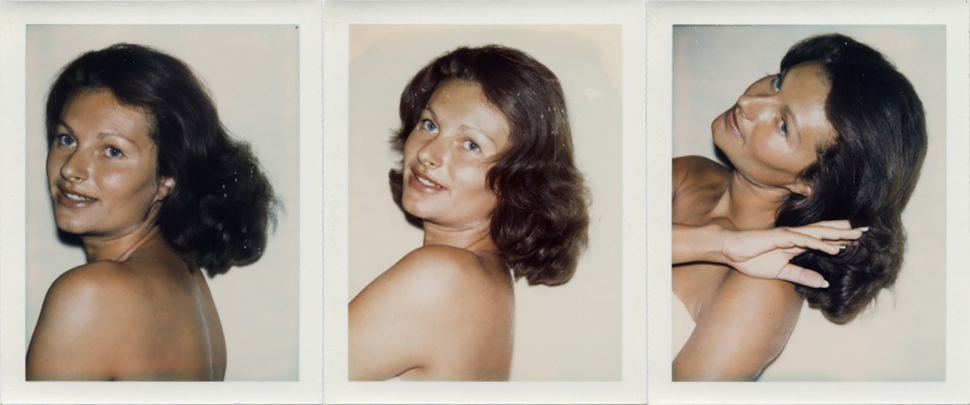
The Zimmerli Art Museum’s latest exhibition, Andy Warhol: On Repeat, brings together the American artist’s early durational films and later serial photographs to examine repetition and duration as central forces in his art.
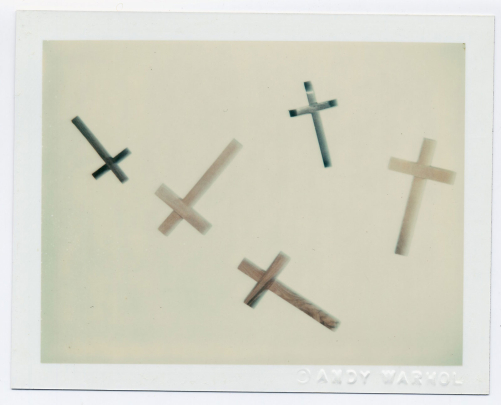
On Repeat opens Wednesday, Feb. 11, and continues through July 31 in the Voorhees Gallery of the museum at 71 Hamilton St., New Brunswick, N.J. The exhibition includes nearly 70 black-and-white photos and color Polaroids from the Zimmerli’s collection – some on view for the first time – as well as a suite of films on loan from the Andy Warhol Museum in Pittsburgh.

A reception will be held during SparkNight from 5 p.m. to 8 p.m. on Thursday, Feb. 12. Additional events include Polaroid workshops on March 11 and April 16 and a family workshop on April 12. More details are available on the Zimmerli’s events webpage. The exhibition and the events are free.
Organized by Jeremiah William McCarthy, the Zimmerli’s chief curator and curator of American art, On Repeat “offers a rare look at how Warhol used time, stillness and seriality to chart the shifting terrain of identity,” museum officials noted in a statement.
McCarthy discusses the exhibition, Warhol’s photography and a connection between the artist, the rock band the Velvet Underground and Rutgers.
What inspired you to frame this exhibition around “repetition” and “duration” as central forces in Warhol’s art?
They’re both so key to Warhol’s art, whether talking about his pop work like the Brillo boxes or soup cans, or his film and photography.
It’s 2026, and everyone is experiencing media fatigue or struggling with attention and distraction. Repetition and duration are two techniques artists and others use to combat this. Warhol’s genius was to anticipate our media-saturated landscape.
How is On Repeat different from other Warhol exhibitions?
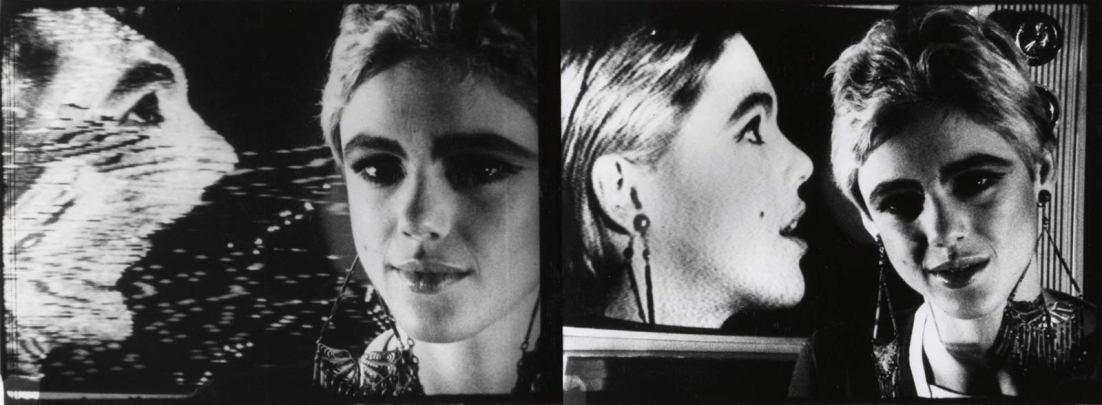
I think in some ways this isn’t the traditional Warhol show. There are no electric chairs, Marilyns or Elvises. Even the “Screen Tests” I’ve chosen aren’t the usual ones. There are one or more Warhol exhibitions each year, so you should find something new to say if you’re going to organize one.
How did you decide which photographs best illustrate Warhol’s exploration of identity through time, stillness and seriality?
I choose photo pairs and multiples that illustrate how repetition allows an image to slip from the familiar to the uncanny.
For Warhol, repetition didn’t just sharpen perception so much as wear it down, revealing how overexposure can dull attention even as it multiplies images. The longer Warhol’s camera lingered, the more it exposed and concealed.
Can you share an example of a photo that surprised you during the curatorial process?
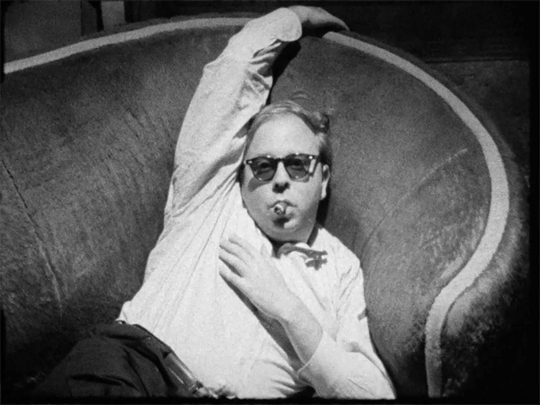
There is a photo in the exhibition that, during the year I worked on the show, I must have looked at nearly a hundred times. Only around the 90th time did I notice that the subject is doing something rather provocative with his hands.
Everyone I’ve shown the photograph to has the same experience until I point out this detail. It perfectly illustrates the previous point: Sometimes the more you look, the more you see, and other times repeated looking leads to overlooking.

The exhibition uses large-scale projections and vertical towers of Polaroids. How do these design choices enhance a visitor’s experience of Warhol’s ideas?
Large-scale projections allow a visitor to really move into the image, to bask in it. It makes it more likely for people to notice the film. We tried to make the galleries comfortable with bean bags, and we want viewers to linger.
In this exhibition, we’re showing one of Warhol’s films called “Outer and Inner Space” at 16 feet across. It isn’t an overestimation to say this work contains all the themes of Warhol’s art: reality and representation, portraiture and celebrity, life and death, and repetition and duration. I can’t wait for people to spend time with it.
Speaking of visitors, what do you hope they gain from the exhibition?
It’s my hope that the show slows them down a bit, that it makes it more likely for them to notice the power of images in the world outside the gallery.
There is a connection between Warhol, the Velvet Underground and Rutgers. What is it?
There are a couple of Warhol-Rutgers connections.
He came to Rutgers in 1966. During that time, he was doing a series of happenings called the Exploding Plastic Inevitable, as well as other events with the Velvet Underground and Nico. The EPI was a mix of projections, go-go dancers, different kinds of performances and light art, etc.
Warhol also designed a print of Old Queens.
Theresa Watson contributed to this article.
Polaroids and Stills From the Exhibition
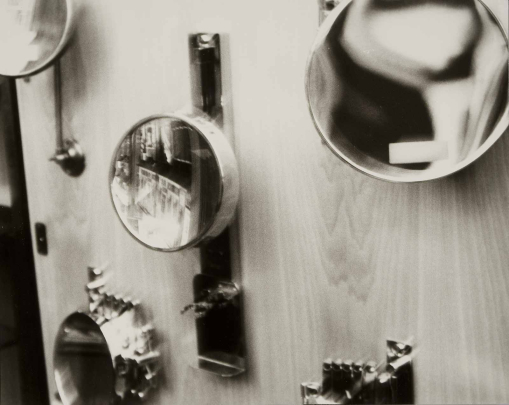
Andy Warhol: On Repeat, the Zimmerli Art Museum's latest exhibit, opens Wednesday, Feb. 11.
![Andy Warhol, "Donyale Luna [ST195]," 1965.](/sites/default/files/styles/slideshow_default_1x/public/donyale-lunast195_zimmerli_rutgers_promo.jpg?itok=drFRUcm-)


