Future Physicians Practice Healing, Humanism and How to Help their Neighbors

Students and community leaders in Newark, N.J., collaborate at Rutgers New Jersey Medical School
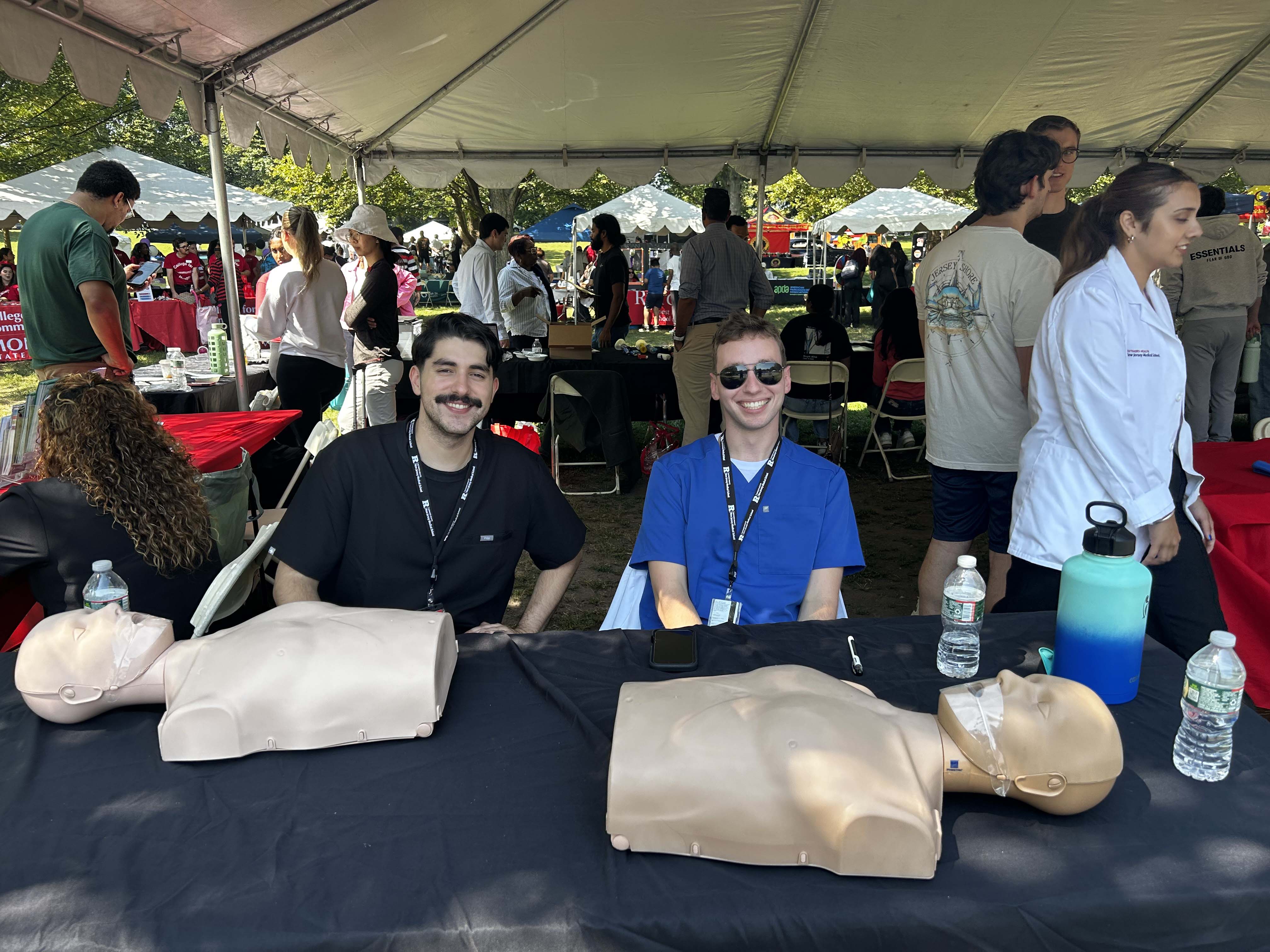
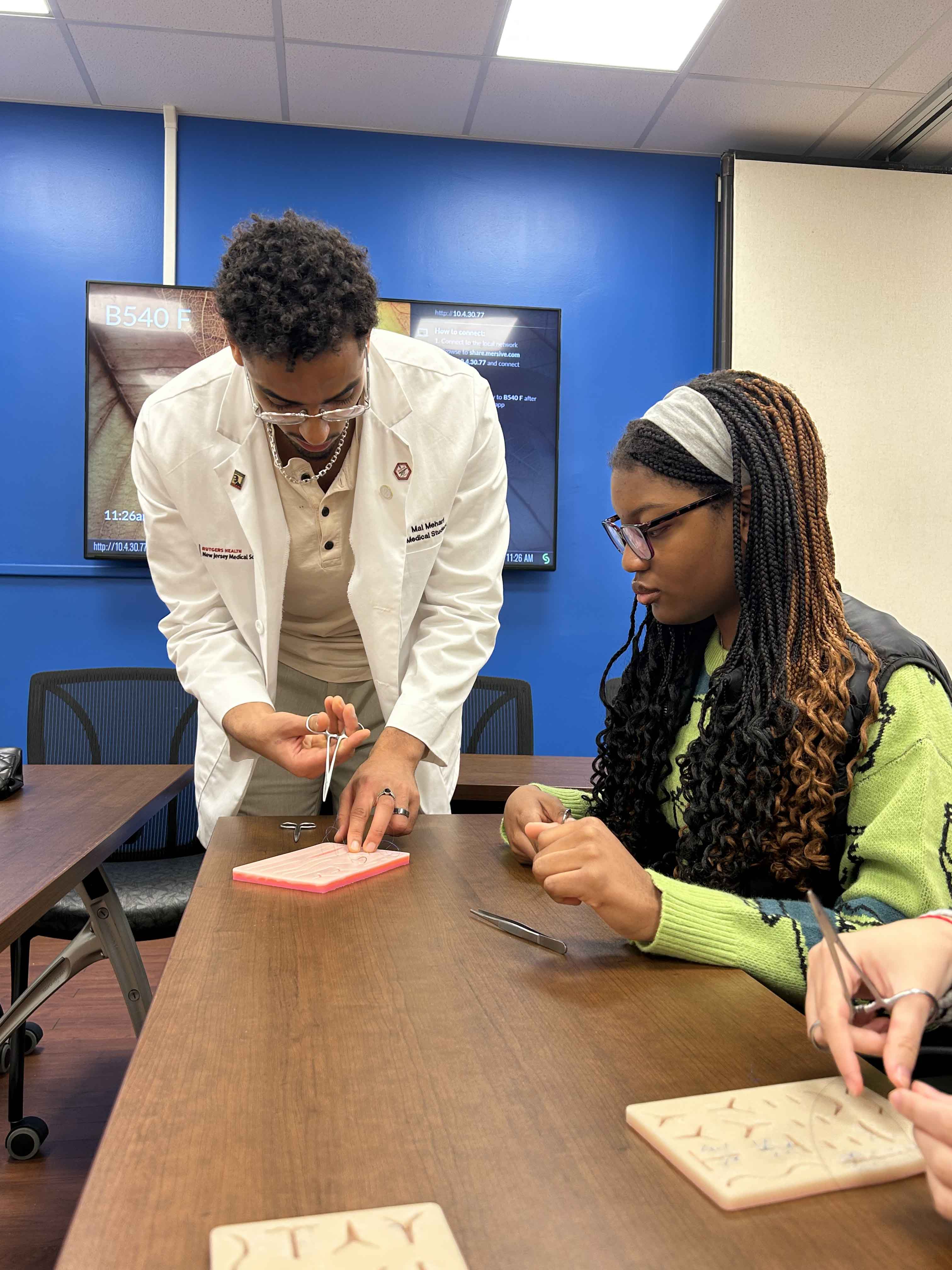
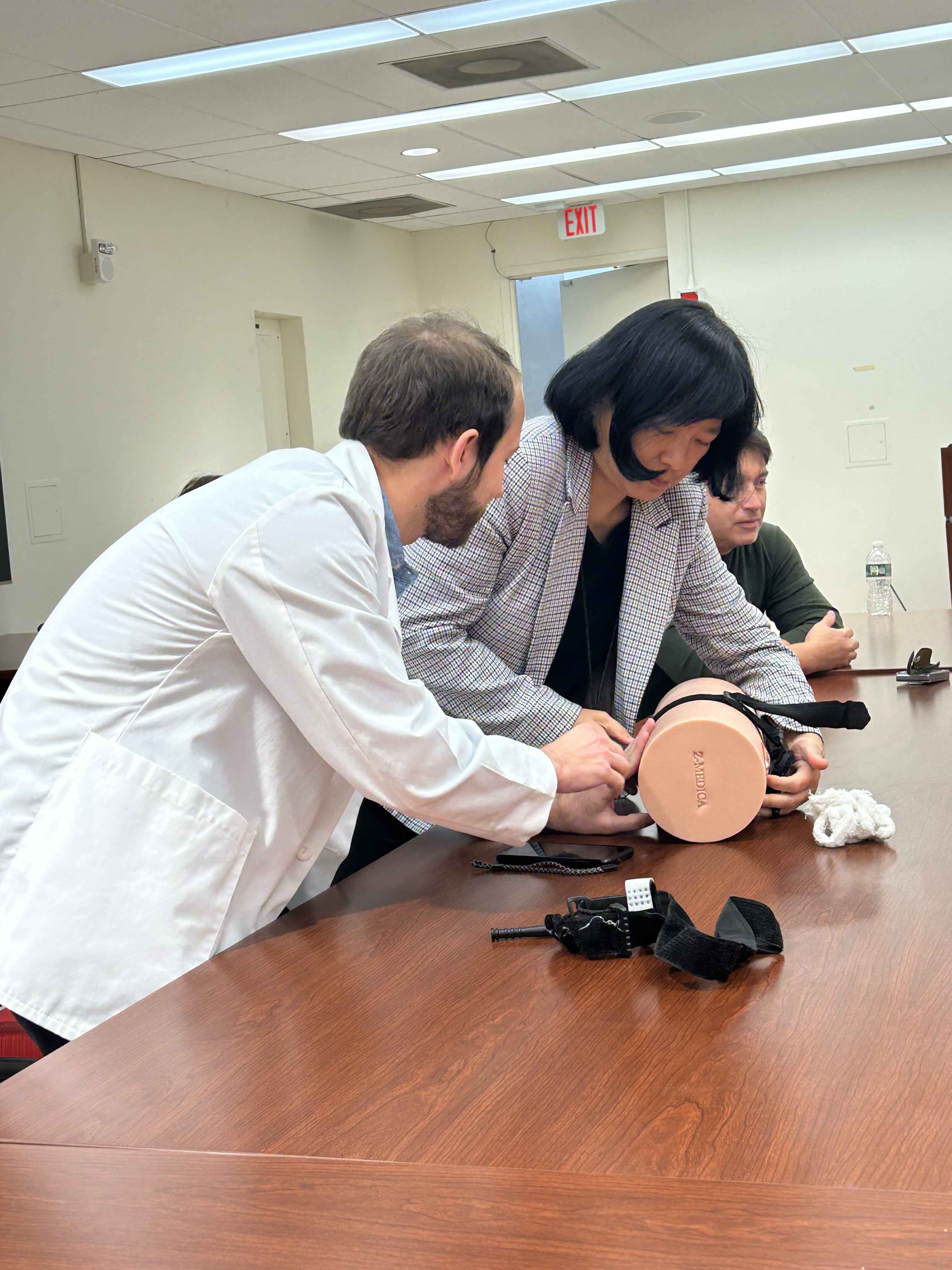
Medical students at Rutgers New Jersey Medical School (NJMS) are getting hands-on clinical experience where it is needed most: Bridging critical healthcare gaps in the greater Newark, N.J. area through community engagement.
This outreach began in 1969, and today around 230 future physicians contribute across 52 projects, ranging from tree-planting and tutoring high schoolers to trauma-informed care and advocacy for survivors of intimate partner violence.
“Our students connect with the community and build their experiential learning,” said Ana Natale-Pereira, the school's associate dean of primary care and community engagement. For example, a community health worker helped students involved in a colorectal cancer screening project, which uses noninvasive fecal immunochemical tests to overcome poor return rates. “It is this real-time collaboration and bidirectional effort that will change the health outcomes of our community,” she said.

Health equity and caring for a diverse population are core missions for the future Rutgers School of Medicine, which will unite Rutgers Robert Wood Johnson Medical School (RWJMS) and NJMS pending LCME accreditation in spring 2027. NJMS has long emphasized service learning through its Community Engaged Service Learning course. Building on its own service-learning activities designed to care for diverse populations, RWJMS adopted the NJMS model last year and launched the course.
Earlier this year, the medical school held its third annual Community Engagement Symposium, uniting 160 leaders, educators and medical students from the greater Newark area. Keynote speaker Rafael E. Pérez-Figueroa – The Rutgers School of Public Health’s associate dean for community engagement, population health and global public health – encouraged even more cooperation.
“Advancing health equity requires systemic changes to address poverty, structural racism, education and inequitable policies," he said. “Cross-sector, community-driven collaboration can create lasting change and promote health equity.”
One group, Encouraging Active Reception and Self-Reflection (ALL E.A.R.S.), has honored this ethos since 2004, thanks to a grant from The Healthcare Foundation of New Jersey Center for Humanism and Medicine. The palliative care team at University Hospital refers 20 to 40 patients each week to receive at least one student visit. This social support system encourages active listening and nonmedical conversations that promote mental healing, guided by the center’s Director Manasa Ayyala and Program Administrator Tanya Norment.

Carole Johnson, the hospital’s new president and chief executive applauded these student volunteers. “Initiatives like ALL E.A.R.S. are vital to our mission, which extends far beyond the walls of our clinical spaces; it lives in the trust, health and well-being of the community we serve,” she said. “By fostering active listening, empathy and deep community engagement, programs like this build bridges between health care institutions and neighborhoods. They empower physicians-in-training to see patients as whole people with unique lived experiences.”
Students appreciate these chances to go beyond treating symptoms and learning to navigate an ever-more complicated and overburdened healthcare landscape.
Nitya Devisetti, set to graduate in 2028, was grateful for the chance to promote accessible healthcare to underserved populations. “Building longitudinal relationships, navigating medication access challenges, and attending to patients’ cultural and family contexts strengthened my commitment to equitable, community-centered care,” she said. “These lessons will continue to guide how I approach medicine throughout my training and future career.”